Eight years in product design. I work on the systems behind the screens: onboarding flows, provider tools, financial habits, AI workflows. The work spans digital health, fintech, and enterprise platforms. I co-founded a fintech that raised $65M+ before that.
I design the whole product, not just the pretty parts.
That means flows, edge cases, internal tools, and the awkward moments between teams where most products quietly break.
I do my best work on hard, multi-stakeholder problems where there isn't a clean answer yet, and where shipping the right thing matters more than shipping the obvious one.
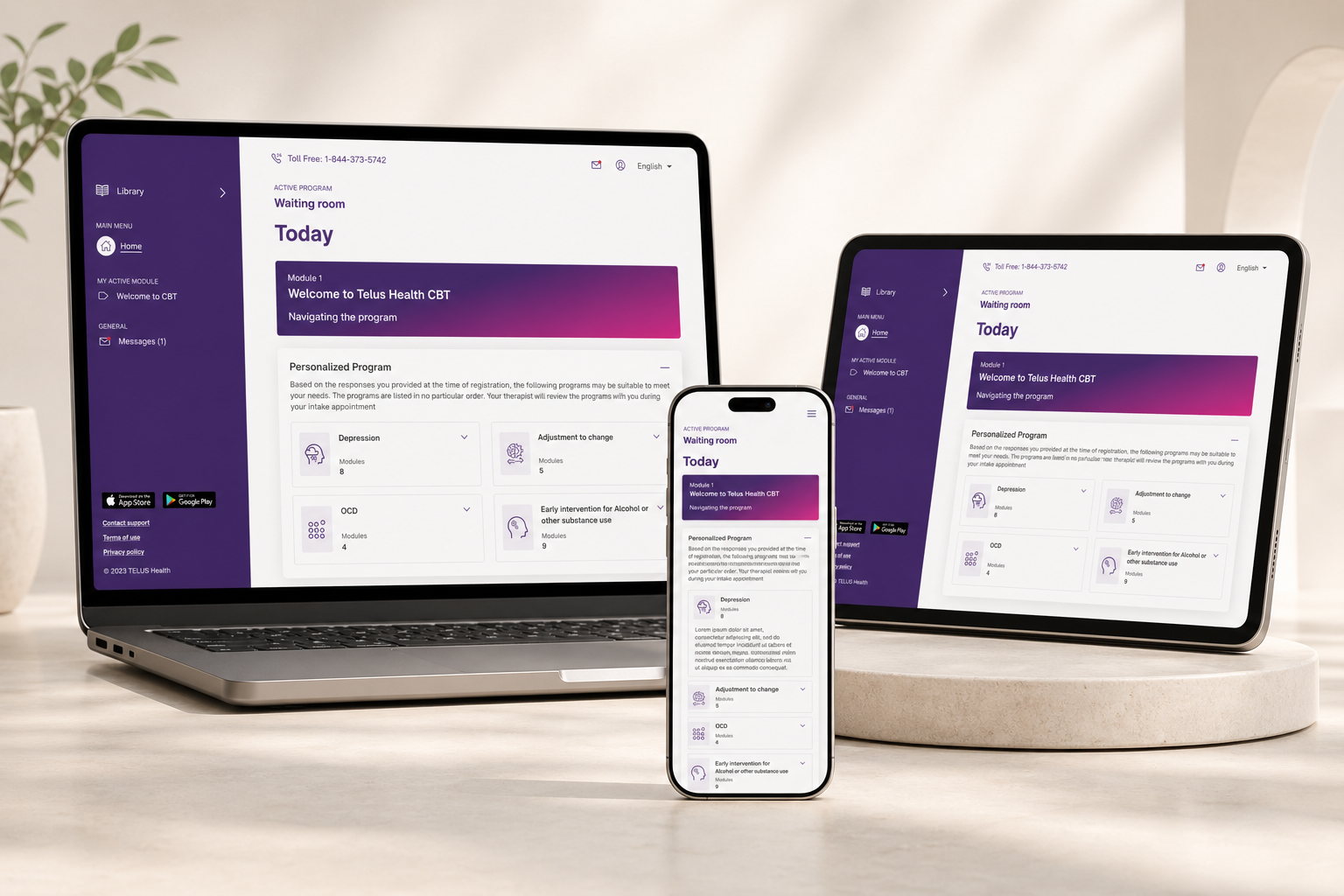
A multi-sided platform serving patients, therapists, and internal ops teams. I owned the design system, the onboarding spine, and the provider workflows.
Read case study →
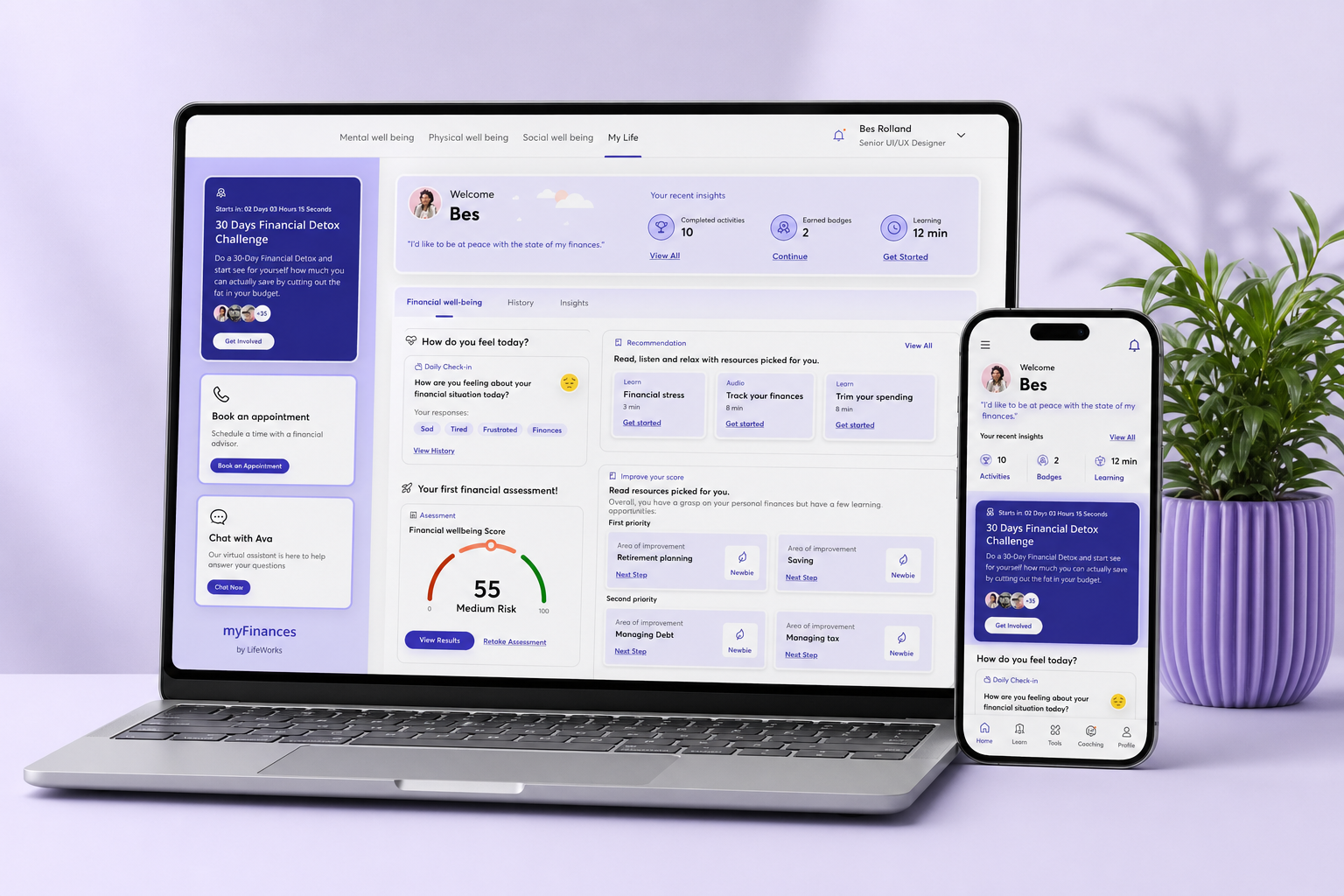
Lead UX Designer on the third pillar of LifeWorks total wellbeing. Every feature traced back to a number in the Financial Wellbeing Index. Shipped to Canadian employees through their employers.
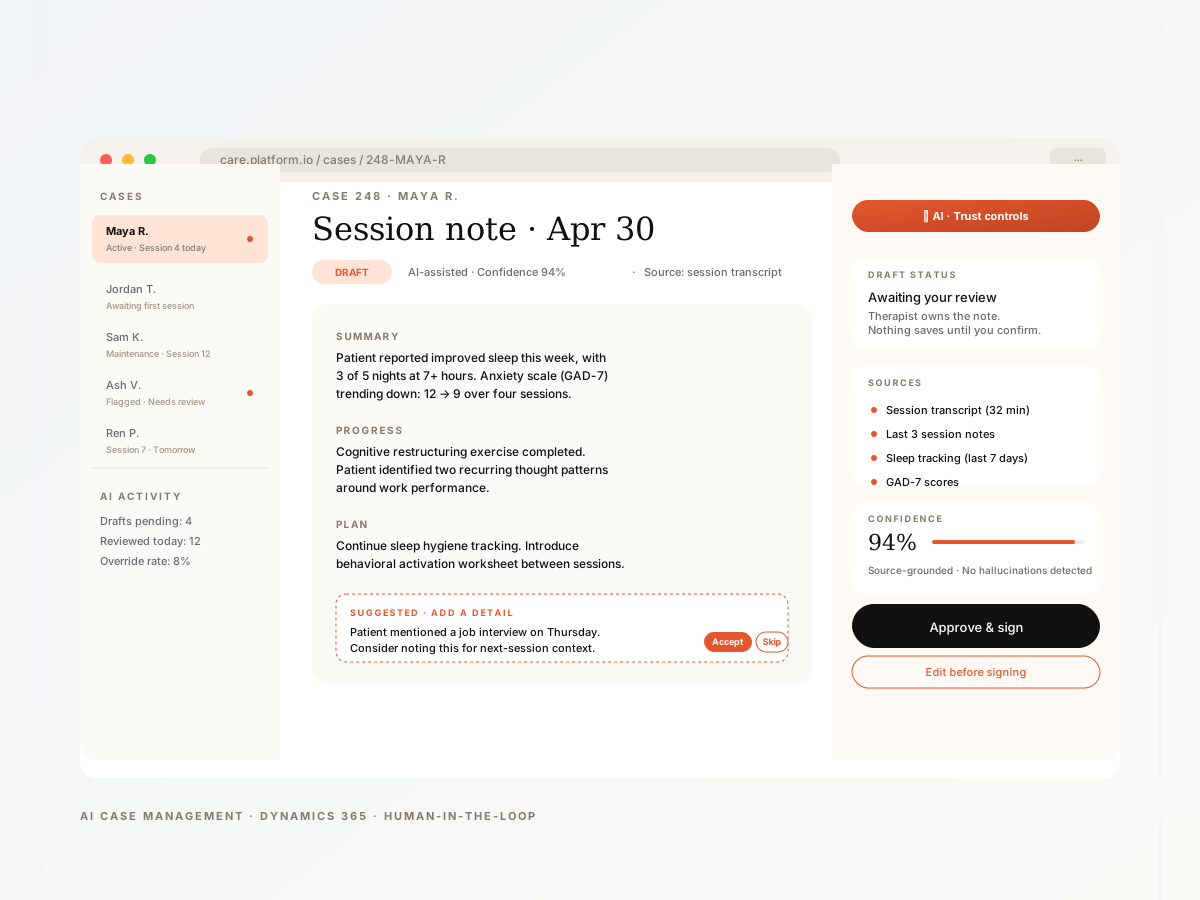
Read case study →Six months of Provider research and service design that became a feature proposal for an internal Dynamics 365 platform. The trust-model framework outlived the project. The platform itself was retired before implementation.
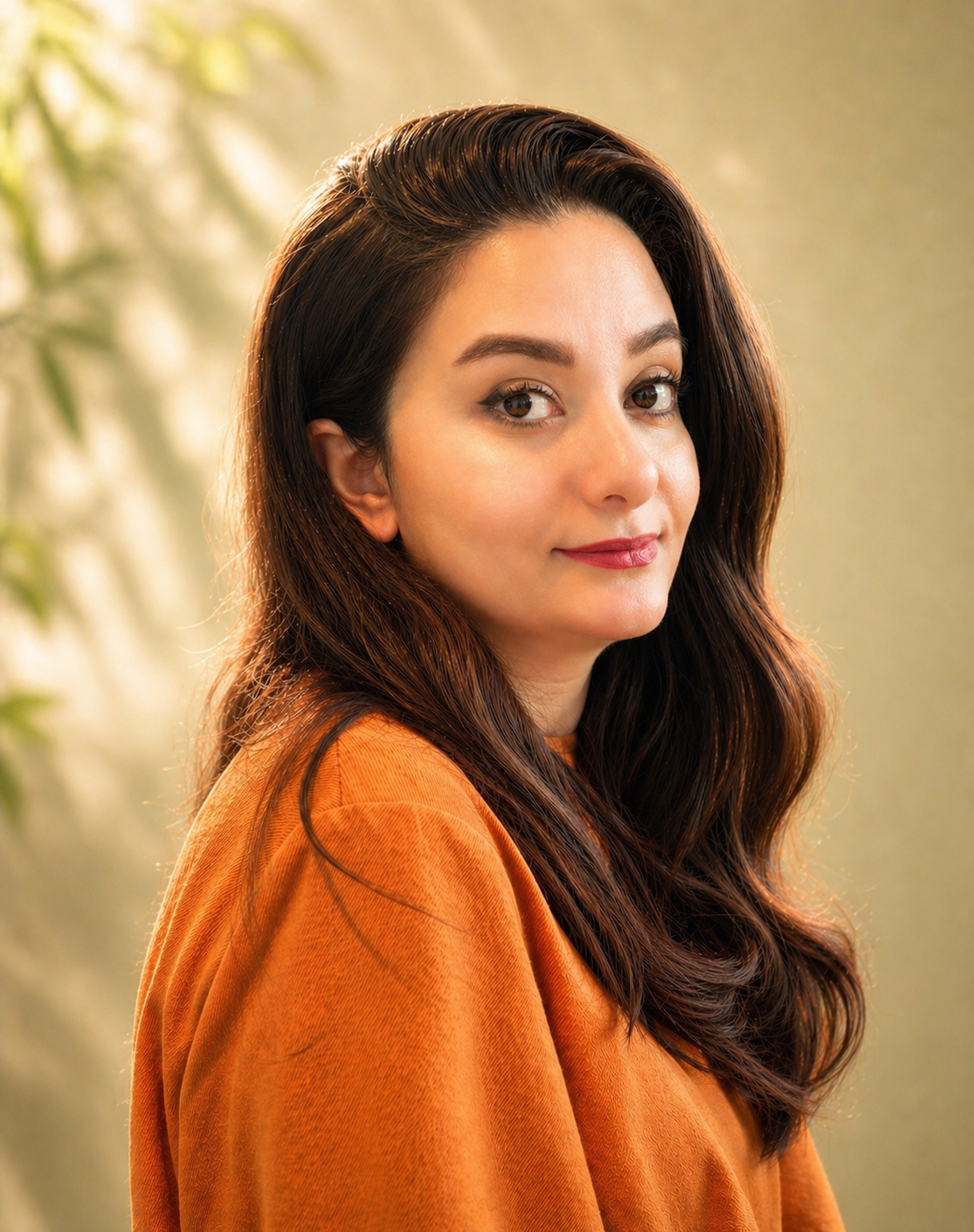
Read case study →I'm Goli, a Senior Product & Service Designer based in Toronto.
Over the past few years, my work has shifted from designing screens to designing systems. The kind that sit behind complex, real-life experiences. Most recently at TELUS Health, I worked across three connected products: a digital CBT platform, a financial wellbeing experience, and internal care workflows built on Dynamics 365.
What that really means: I've been designing for situations where people are already under pressure. Navigating mental health support, financial stress, or operational complexity behind the scenes. That changes how you think about design. It's not about making things look good. It's about making things work, for everyone involved.
Before that, I co-founded a fintech crowdfunding platform (Mehrabane), where I built the product from 0 to 1. That experience shaped how I think about ownership, trade-offs, and impact. When you're close to real users, real money, and real outcomes, you stop designing in isolation.
These days, I'm most interested in problems that sit at the intersection of product, service, and operations. Where design can actually shift how a system behaves, not just how it looks.
I start with outcomes, not features. Before I open Figma, I want to understand:
A lot of "UX problems" aren't really UX problems. They're system problems, workflow gaps, or misaligned incentives showing up in the interface.
I care about design that holds up in reality. Not just in a review, not just in a prototype, but in the messy, cross-functional, real-world environment where people are trying to do their jobs.
A few things I've learned along the way:
I do my best work when I'm embedded in the problem, not just handed a brief.
I partner closely with product, engineering, research, and domain experts to shape direction early. I like getting into the details of how things actually work: where the constraints are, what's expensive, what's fragile, what's overlooked.
I'm direct, and I care about clarity. I'll push when something doesn't make sense, but I'm quick to adapt when there's a better idea in the room.
I've also spent time mentoring designers and helping teams get sharper: clearer thinking, better collaboration, fewer "we'll figure it out later" moments.
I care a lot about the human side of what we build.
Mental health, financial dignity, and everyday experiences that quietly make life easier. Those are the kinds of problems I want to work on. The ones that don't always get attention, but matter deeply to people.
I still think like a builder. I'm drawn to 0→1 ideas, complex systems, and teams where design has a voice in shaping direction, not just execution.
On a more personal note: I love LEGO (the more intricate, the better), I collect Funko Pops, and I'll always pick an owl as my favorite anything. I'm also a big comic book fan (DC and Marvel) probably because I've always been drawn to layered worlds, complex characters, and stories that connect across systems… which, now that I think about it, isn't that different from how I approach design.